
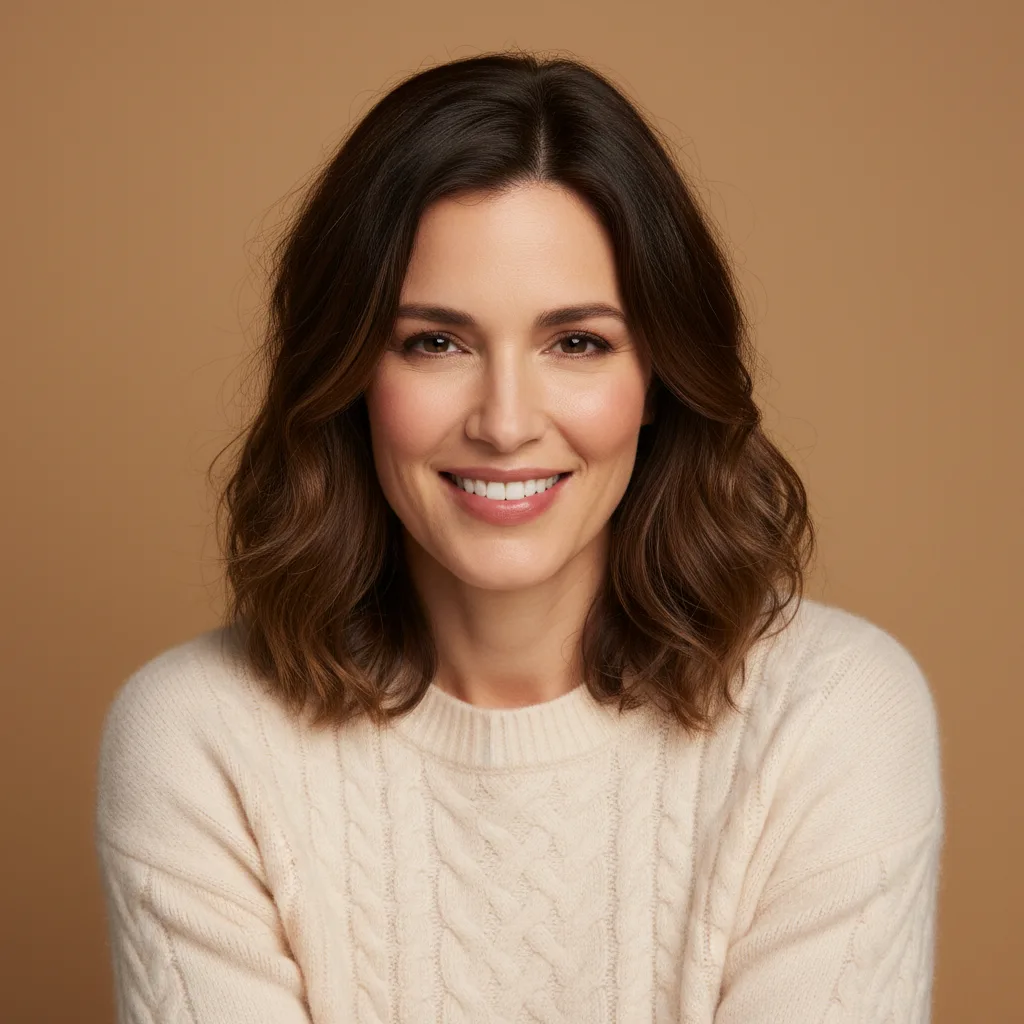
AI Headshot vs Studio Photography: An Honest Comparison
I spent $180 on a studio headshot session last year. The photographer was great. The lighting was perfect. I got 50 edited photos.
I used exactly one of them.
It was fine. Professional. Completely forgettable. Six months later, I tried an AI headshot from a single selfie and got something I actually liked better. That started a weird obsession with testing both properly.
This is what I found.
Why I Was Skeptical About AI Headshots
I'll be upfront: I went in thinking AI headshots were a gimmick. The "before" photos I'd seen in ads looked real but the "after" shots had that uncanny valley thing going on — faces slightly too smooth, eyes slightly too bright.
Also, I'd heard the horror stories. Someone's colleague tried an AI headshot service and came out looking like a different person entirely. Different bone structure. Different jawline. More "AI-generated influencer" than "actual human professional."
So I tested three scenarios: a traditional studio session, a mid-tier AI headshot service that requires 15 photos, and Recreto, which works from a single photo.
The Studio Session
I booked a headshot photographer through a referral. $180 for 90 minutes, 50 retouched photos delivered in 5 days.
The session itself was fine. Lighting setup took 20 minutes. She tried maybe 8-10 different setups. I was uncomfortable the whole time — I don't photograph well when I'm aware of being photographed, which is, admittedly, a me problem.
The final photos were technically excellent. Sharp. Well-lit. Professional backdrop. The retouching was subtle — she didn't go overboard with skin smoothing.
But here's the thing I hadn't expected: out of 50 photos, I liked maybe 3. And "liked" is generous. I used one because it was the least bad, not because it was good. My expression in most of them looked slightly pained. Because I was slightly pained. That's just how I look when a stranger points a camera at me and says "be natural."
Cost: $180. Time: half a day including travel, session, and waiting for delivery.
The Multi-Photo AI Service (15 photos required)
I tried one of the bigger AI headshot platforms — the kind that asks you to upload 15-20 photos and then "trains" a model on your face. I won't name them but you've probably seen the ads.
The upload process took maybe 20 minutes. Getting 15 decent photos of myself was actually annoying. I had to dig through my camera roll and find photos with good lighting, different angles, no sunglasses. It's more work than it sounds when you're not the kind of person who photographs themselves regularly.
Then the wait. 40 minutes for training. Then another few minutes for generation.
The results were... fine? Better than I expected but still a bit off. Some of the generated photos had my face but somehow the wrong energy. Like a slightly more photogenic version of me that I'd never actually be in real life.
One thing that surprised me: the pricing. What looked like a reasonable upfront cost turned into a subscription I almost forgot to cancel. Classic.
Single-Photo AI: Recreto
This is where I expected the worst results. One photo. No training. How good could it possibly be?
I took a selfie by a window on a gray afternoon. Decent natural light, nothing special. Button-down shirt. Uploaded to Recreto.
Fifty seconds later I had a headshot.
I want to be careful not to oversell this because I went in a skeptic and came out surprised, which makes it easy to overcorrect. So let me be specific about what was good and what wasn't.
What worked well. The background replacement was clean. No artifacts around my hairline — that's usually where AI struggles. The studio lighting looked natural, not like a filter was slapped on. My face looked like my face. Not smoothed into an AI doll. Not suddenly symmetrical in a way I'm not. Just... me, with better lighting than I'd ever have at home.
What didn't work. I was wearing glasses in my first upload. The frame on my right side got slightly warped — barely noticeable but it was there. I retried without glasses and the result was noticeably cleaner. If you wear glasses and need them in your headshot, plan to try a few times.
Also, the pose is whatever pose you're in when you take the selfie. The AI doesn't reposition you. So if your selfie has your shoulders turned at a weird angle, the headshot will too. Take two minutes to actually set up your shot and it pays off.
Cost: $9.99 for 20 credits. I used 3 before I got one I was happy with. That's about $1.50 for a headshot I actually use.
The Actual Comparison
Here's what I think matters when you're deciding between these options.
Quality gap is smaller than you'd expect. Studio photos have an edge in technical perfection — controlled environment, professional lighting equipment, a human eye making adjustments in real time. But technical perfection and "photo you'll actually use" are different things. If you look stiff and uncomfortable in your studio photos, they're not actually better.
The single-photo AI advantage is real. The 15-photo AI services ask for a lot of upfront effort and still produce results that feel slightly generic. With Recreto's single-photo approach, what you get is closer to how you actually look — because it's based on one moment rather than averaged across many.
Speed is not a minor point. The studio session consumed half my day. The multi-photo AI consumed 40+ minutes. Recreto was under a minute. If you need a headshot for a LinkedIn update or a speaking bio and you're not being picky, the time math makes the AI option obvious.
Price comparison, honestly. $180 for studio, $9.99 for 20 AI credits. The studio is about 18x more expensive. Is it 18x better? For most use cases, no. For a high-stakes campaign photo or a book cover, maybe. For a LinkedIn profile photo that most people will see at 60x60 pixels? The AI is more than good enough.
Who Should Still Go to a Studio
Studios still make sense in specific situations.
If you're genuinely camera-shy and need a human to coach you into a usable expression, a good photographer is worth it. AI can improve a bad photo technically, but it can't fix a photo where you look like you'd rather be anywhere else.
If the headshot is going to be used at large scale — billboard, book jacket, brand campaign — you want maximum technical quality and the studio wins on that.
And if you just enjoy the experience, that's a completely valid reason. Some people like the ritual of it. There's nothing wrong with that.
For everyone else — the job seeker, the consultant updating their LinkedIn, the freelancer who needs a bio photo — the math strongly favors AI now.
What I Actually Use Now
My LinkedIn photo is from Recreto. My email signature too. When I submitted a headshot for a conference speaker bio last month, I used the AI one. No one's mentioned it.
My expensive studio photo is technically still on my hard drive somewhere. I think.
If you want to try the AI route, recreto.com lets you do one photo free without signing up. Take a decent selfie first — natural light, looking straight at the camera, no sunglasses. The quality of the input photo matters more than most people think.
I was wrong about AI headshots being a gimmick. I'll admit that. They're not perfect, but they're genuinely good, and for most people, genuinely good is exactly enough.